
Areas of care
Intimate hyaluronic acid injections in Tel Aviv
Vaginal dryness, intimate discomfort and pain during intercourse: a local, non-hormonal approach. Dr Jonathan Ouahba offers a personalised gynecological assessment to determine whether this treatment is suitable and, where appropriate, to include it in overall care of intimate health.
When to come in
- Persistent vulvovaginal dryness, particularly after menopause
- Tightness, burning or irritation linked to fragile tissues
- Reduced intimate comfort with loss of suppleness of the vulvovaginal tissues
- Superficial pain during intercourse, particularly on penetration
- Discomfort from friction, in daily life or during intercourse
- Symptoms that persist despite vaginal moisturisers or lubricants
- Wishing to consider a non-hormonal approach, after reviewing the treatment options
How the treatment works
- 1
A prior gynecological consultation. Before any injection, a consultation clarifies the symptoms, how long they have lasted, how intense they are and how they affect quality of life. The examination assesses the vulvovaginal tissues, their suppleness, hydration and any fragility, and looks for other causes of pain or discomfort. Hormonal status, medical history, current treatments and possible contraindications are taken into account to determine whether injections are a suitable option.
- 2
Preparation. The injections are performed at the practice under appropriate aseptic conditions. Local anaesthesia is offered to limit discomfort during the procedure.
- 3
The injections. The hyaluronic acid gel is injected in small amounts into the selected areas, with a fine needle and a technique adapted to the anatomy of the intimate area. It is a short procedure, whose length depends on the areas treated.
- 4
Afterwards. Local tenderness, slight swelling or small bruises may appear temporarily. Daily activities can usually be resumed quickly. It is usually advised to avoid intercourse for about five days, and activities that could irritate the treated area for the recommended period. Personal instructions are given after the procedure.
Hyaluronic acid and Desirial
Hyaluronic acid is a substance found naturally in the body, particularly in the skin, mucous membranes and connective tissue. Because it retains water, it plays an important role in the hydration, suppleness and mechanical properties of tissues.
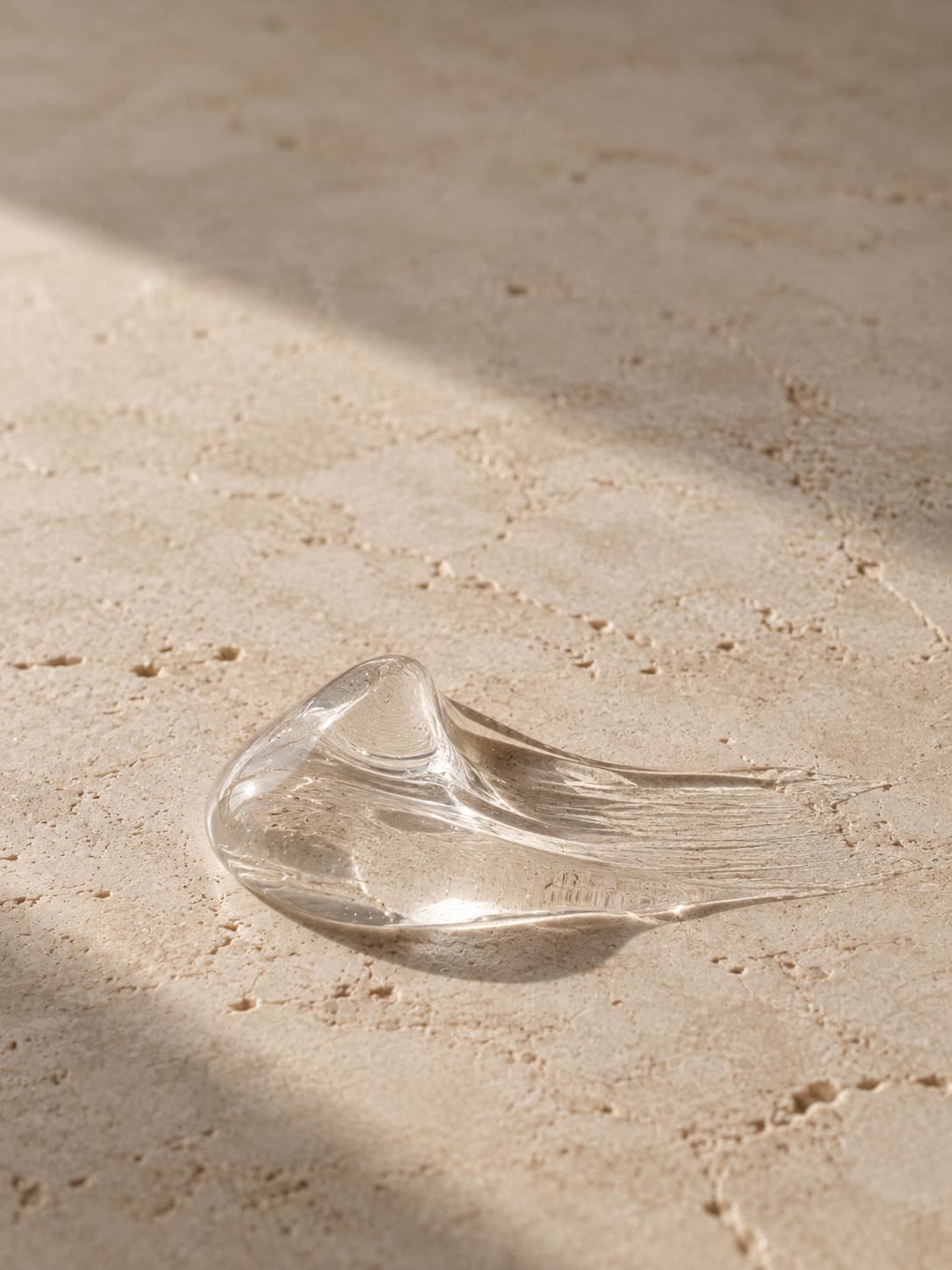
With age, hormonal changes or certain medical treatments, the vulvovaginal tissues can become more fragile, drier and less elastic. Local injection of a hyaluronic acid gel designed specifically for the intimate area aims to improve the hydration and properties of the treated tissues. It is a non-hormonal treatment that contains no oestrogen.
Desirial is an injectable medical device based on hyaluronic acid, developed in France by Laboratoires VIVACY specifically for the female intimate area. It is intended for local use in the vulvovaginal tissues, to improve their hydration and comfort, particularly when changes in the lining contribute to dryness or to some superficial pain. The areas to treat and the injection technique are chosen during the clinical assessment carried out beforehand.
Benefits, limits and precautions
The benefits sought
Depending on the situation, the benefits sought may include:
- Better intimate comfort in daily life
- Less dryness and tightness
- Better tolerance of friction
- Relief of some superficial pain during intercourse
- A feeling of greater suppleness in the treated tissues
The extent and duration of these effects vary from patient to patient, with the characteristics of the tissues and with the origin of the symptoms. The effects can last several months.
Clinical data on comparative efficacy and long-term safety of this technique remain limited. The need for an additional session is assessed individually.
The limits
Not all pain during intercourse is suited to this treatment. Some situations, such as pain caused by excessive tightening of the pelvic floor muscles, vestibulodynia or a pelvic condition, require specific care.
Precautions and contraindications
Like any injectable medical procedure, this treatment requires a prior assessment and appropriate information. Injections must be postponed in particular if there is an active infection or inflammation in the area to be treated.
Pregnancy, breastfeeding, an allergy to one of the product's components, certain medical history or certain treatments may also be contraindications or require particular precautions.
Possible side effects include temporary pain, redness, swelling, bruising, an inflammatory reaction, hardening of the tissue or, more rarely, infection.
Severe or increasing pain, fever or any unusual change in the appearance of the tissues after the procedure requires prompt medical assessment. Precautions and contraindications are checked against the product information.
Frequently asked questions
Local anaesthesia is offered to limit discomfort during the procedure. Some temporary tenderness may persist afterwards.
The number of sessions depends on the indication and on the individual response. The need for an additional session is assessed at follow-up.
The effects of Desirial injections can last 6 to 12 months, depending on the patient. This is an estimate provided by the manufacturer and is not an individual guarantee. A further session can be considered if needed, after a new gynecological assessment.
No. When vaginal dryness is linked to lower oestrogen levels, especially after menopause, local hormone treatment is a standard option. Hyaluronic acid injections are a different approach, considered according to each patient's symptoms, history and preferences.
Yes, for some women. The absence of hormones in the product is of particular interest when hormone treatments are not wanted or are contraindicated. A gynecological assessment that takes into account cancer history and current treatments determines whether this approach is suitable. The oncologist's opinion may be needed, as safety data specific to this situation remain limited.
It is generally advised to wait about five days after the treatment, provided there is no lasting pain or inflammation. Advice is adapted to each situation.
The information on this page is general and does not constitute individual medical advice.
Book an appointment
Appointments can be booked online, or by WhatsApp message, with a reply during consultation hours.